 English
  Japanese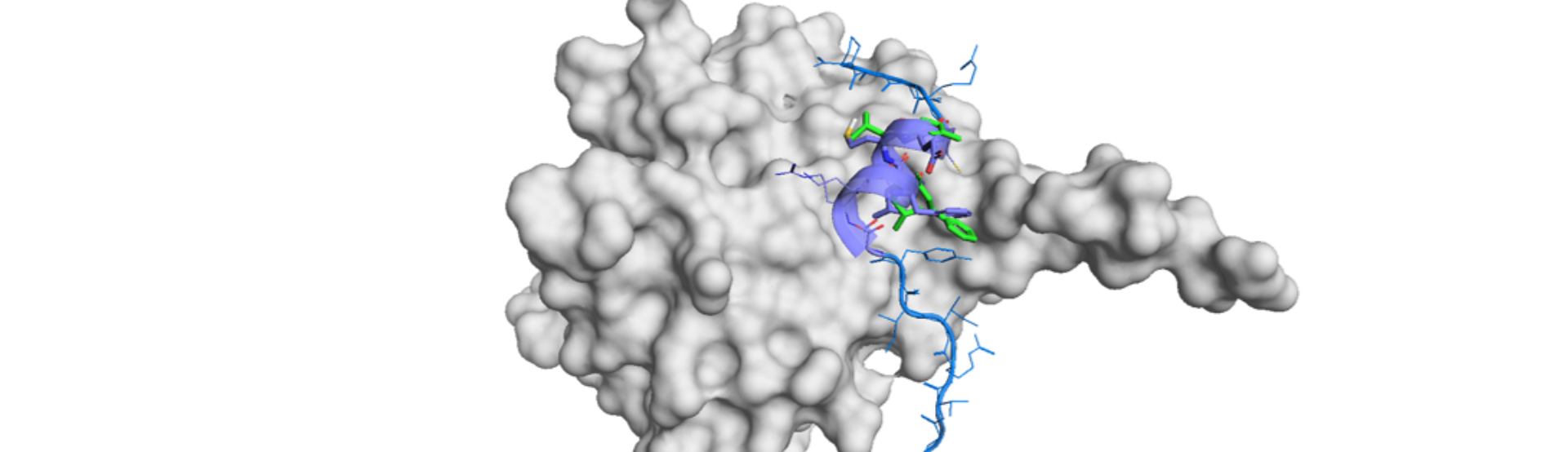


Current State of in silico Target fishing
Drug discovery commences with careful selection of a target related to diseases. One of the golden standard schemes is library screening against the target of interest to find hit compound, elaboration to produce a lead compound, and lead optimization to give birth to the candidate. During the drug discovery and development process, off-target effects need...
Chemical Synthesis Paradigm Shift from Intuition to Unmanned System
Chemical synthesis has long been fully dependent on intuition of talented chemists. The cycle of synthesis planning, running experiments and data analysis is the state-of-the-art chemical synthesis research process. This paradigm could be replaced by robotics and machine learning (ML). Unmanned chemical system, or cyber-physical system (CPS), is an emerging paradigm that can automated for...
Structure Database and Dynamics: Insight from Analysis of Cambridge Structural Database
Application of big data in science database stimulates our mind to give rise to a novel idea for scientific discovery. Today is the age of data science and numerous public and commercial databases being available and the entries of data are swelling alongside the supporting information related to the main topic. As an approach to...
Lipopepidomimetics as Inhibitor of Protein-protein Interactions: The Case of Med25
A lipopeptidomimetics is conceptually interesting mimetics of peptides for modulation of protein-protein interactions (PPIs). Lipopeptidomimetics are the mimic of lipopeptides and/or derivatives of peptidomimetics with a fatty acid residue. A lipopeptide is a class of molecule with a structure of a peptide connected to a fatty acid. It’s abundant in microbes and its amphiphilic nature...
Ternary Complex Design for Modulating Protein-Protein Interactions
Protein-protein interaction (PPIs)-targeted drug discovery program can accommodate multiple strategies through direct interference, stabilization and indirect modulations, Ternary complex design is an emerging approach of mimicking biological process and recognition machinery by a monovalent “molecular glue” or a bivalent small molecule.1) Since the appearance of PPI inhibitors in 20042) and its evolution to clinical trials...
Analogue Design and Structural Simplification in Molecular Design in Medicinal Chemistry
Molecular design is a crucial process of medicinal chemistry for the generation of the candidate in drug discovery and development. The approaches for the design of the next set of molecules for SAR have been developed for long: structure-based drug design and molecular generation with AI/ML are the recent examples in terms of technologies. Conceptually...
Recent Choices for PPI Detection for Experimental Confirmation
PPI (protein-protein interaction) detection methods dramatically change through the invention of novel technology and theory. PPI detection is to elucidate and validate the presence and function of a target PPI. Even though the computational approaches are improving for PPIs prediction and the technologies are rapidly developing after the advent of deep learning,1),2) it is a...
Molecular chameleons: Oral Absorption Analysis in Middle-Sized Molecules
Oral drugs diminish the stress of disease treatments. Oral bioavailability is governed by multiple parameters: membrane permeability, action of transporters, metabolism (notably the first pass effect) and so on. Cell permeability is a requisite physicochemical parameter for oral absorption. Recent advance towards the discovery of a molecular chameleon1) and innovation in analytical methods is providing...
TACnology:
TACnology is an emerging term in pharmaceutical science.1) Modulation of the posttranslational modification (PTM) machinery in nature enables us to control the natural biological process toward the desired direction. PROTAC (PROteolysis TArgeting Chimera) is the most popular TACnology but proteolysis is not the only target for drug design. Chimera molecule-mediated targeting of a particular biological...
Design of Bioisosteres: Make Ways to Rational Design
Bioisosteres are useful sets of tools for medicinal chemistry so as to endow a hit or the lead to possess the requisite pharmacokinetic and pharmacodynamic property with high activity and selectivity. As discussed in our blog,1) bioisosteres of prevalent chemical structures are still developing. However, it is often the case with a medicinal chemist to...