 Japanese
  English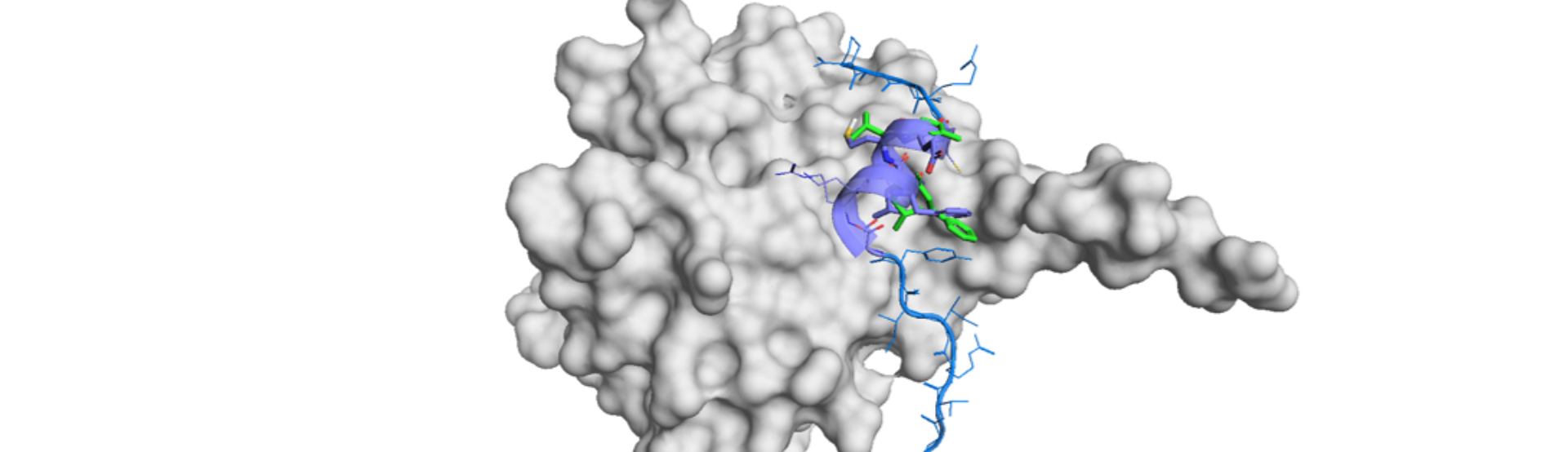


Published on: 12月 6, 2025
Molecular design is a crucial process of medicinal chemistry for the generation of the candidate in drug discovery and development. The approaches for the design of the next set of molecules for SAR have been developed for long: structure-based drug design and molecular generation with AI/ML are the recent examples in terms of technologies. Conceptually speaking, analogue design is a basis of medicinal chemistry.1) Recent advancement of molecular design has raised the idea of simplification.2) Here we would like to compare these concepts in molecular design.
Analogue design is a conventional way of designing molecules that shares chemical, physicochemical, biological and therapeutic similarities with the original molecule. Analogue design is well-documented and reviewed and it’s one of the philosophies of medicinal chemistry. Analogue design is a way to expand the structure around a molecule of interest in rational or random ways.
Analogue design has significant impacts when exploring the chemical structure for SAR by collecting datasets around the hit molecule. It is, practically speaking, contributing in the lead optimization stage as well by covering potential chemical space on the basis of the accumulated SAR dataset. Computational prediction to support the lead optimization by analogue design has been enhancing its efficiency these days. Scaffold hopping and displacement by bioisosteres are also the rational and traditional methods of analogue design.
Structural simplification is an optimization approach from a large and complex hit molecule to smaller and simpler ones with good synthesizability. Its advancement has been led by medicinal chemistry of natural products.3) Natural products are treasure trove of drug discovery but complex structural nature of natural molecules makes them difficult to structurally expand the parent molecule toward lead or candidate.
Simplification is achieved by truncation, removal of chiral centers, extraction the key pharmacophores without the loss of pharmacological and toxicological benefits. Halichondrin B to erbulin mesylate is the dramatic example of structural simplification.4),5)
Analogue design and structural simplification play essential roles for the design of molecules, and it is worth keeping in your mind in medicinal chemistry. But knowledge in a higher level for rational molecular modification is also worthwhile for two reasons.6)
First, accumulated knowledge for structural transfer from one to another is potentially applicable for any molecule design for drug discovery. Systematical understanding of the approaches for molecular modification, including analogue design and simplification, expand the ideas for drug design.
Secondly, deconvolution of medicinal chemists’ ways of molecular design allows construction of a model for AI/ML. It is sometimes hard to mimic the way of molecular generation by medicinal chemists. They often try not only rational design but also their intuition from their experiences. Formulation of their way of thinking in a mathematical manner opens the possibility of more useful AI/ML for molecular design.
Peptidomimetics drug discovery in protein-protein interaction are representative example of the field of integrated analogue design and simplification. Our peptidomimetic compounds, PepMetics®, are simple small molecules and are open to modify by traditional medicinal chemistry as well as AI/ML-driven approaches. Those who are talented in molecular modification is always welcome to join us. Please feel free to contact us if you have an interest in PPI drug discovery and small molecule-based peptidomimetics platform.