 Japanese
  English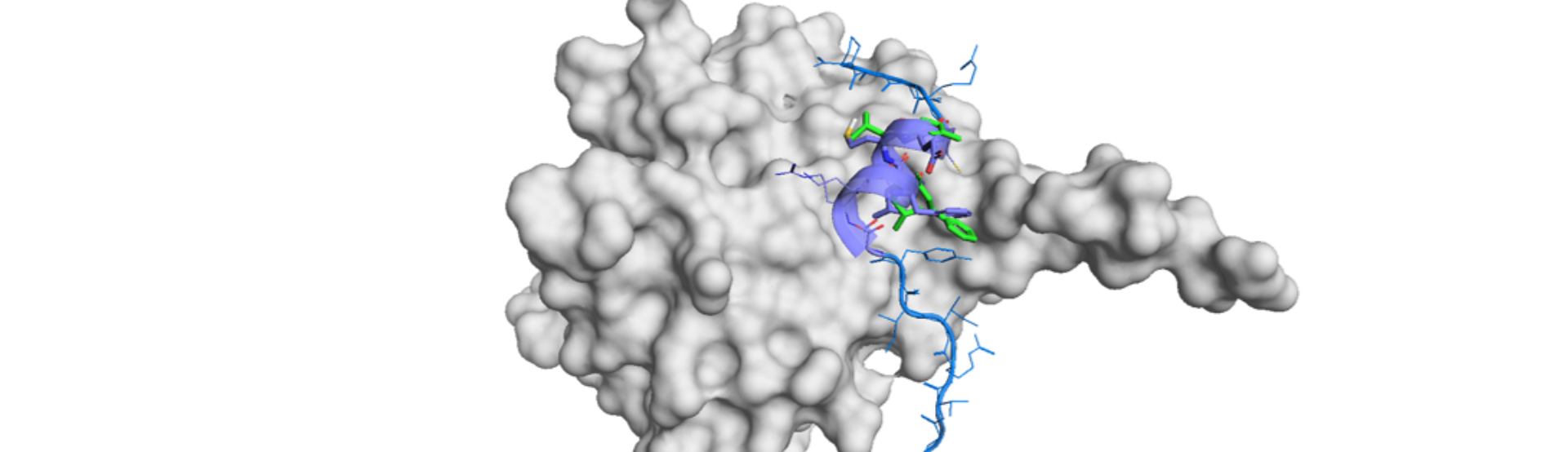


Published on: 1月 16, 2026
Protein-protein interaction (PPIs)-targeted drug discovery program can accommodate multiple strategies through direct interference, stabilization and indirect modulations, Ternary complex design is an emerging approach of mimicking biological process and recognition machinery by a monovalent “molecular glue” or a bivalent small molecule.1) Since the appearance of PPI inhibitors in 20042) and its evolution to clinical trials in 2014,2) various approaches for the vast range of PPIs have been investigated and intense efforts have been made for drug discovery and development.3) Here we focus on ternary complex design for targeting PPIs to see the current status and potential application.
There have been numerous examples of molecular glues.4) Vast majority of molecular glues have been designed to enhance the ternary complex formation among the drug molecule, target protein and E3 ligase to induce degradation by proteasome system. b-catenin, an oncogenic transcription factor in Wnt signaling pathway, with E3 ligase (SCFb-TrCP) was reported through HTS of smartly designed system according to the natural process of ubiquitination machinery.5)
Non-degradative molecular glues are also present and they are often called PPI stabilizers. 14-3-3, an adaptor protein in scaffolding, and its clients are one of the focused areas of research.6),7),8),9)
Induction of self-association is another area of PPI stabilizer design. A BCL6 inhibitor, BI-3802, is a representative example of this class,10) which was later shown that the molecular glue triggered higher-order assembly of BCL6 into filaments through cryo-EM analysis.11)
It is obvious that ternary complex forming drug is capable of drug discovery targeting PPIs. Better understanding of PPI interfaces and rational strategy development like incorporating E3 ligase would raise the possibility of ternary complexation drug design. ternary complex structures provide models for molecular design and ternary complex formation could be assessed by SPR, TR-FRET, ITC and AlphaLISA. There is not that much information for the application of FP and DSF but they are potentially possible for application for assays.
Design of molecular glues for ternary complex formation requires the information and data on molecular recognition, structural dynamics, cooperativity and complementarity in biological process. Design strategies for degrative molecular glues are relatively simple owing to the intensive research on the structure and binding of warheads for major E3 ligases. But non-degrative PPI stabilizer design is still difficult in a general sense due to the lack of data of structures and dynamics. Ternary complex design is at this moment a huge task but worth looking into because rational design for guiding biological process is possible through modulating and intervening PPIs.
We are eager on ternary complex design by our platform molecules and their unique nature of mimicking a three-dimensional part of the secondary structure is beneficial for rational design of glue molecules. We are working on new technologies in this field and it is always welcome to collaborate with you for technology development.
- https://doi.org/10.1016/j.chembiol.2024.04.002
- https://doi.org/10.1038/nrd1343
- https://doi.org/10.1016/j.chembiol.2014.09.001
- https://doi.org/10.1042/ebc20170041
- https://doi.org/10.1038/s41467-019-09358-9
- https://doi.org/10.1073/pnas.1220809110
- https://doi.org/10.1039/c8sc05242e
- https://doi.org/10.1021/acschembio.2c00299
- https://doi.org/10.1021/cb4003464
- https://doi.org/10.1016/j.celrep.2017.08.081
- https://doi.org/10.1038/s41586-020-2925-1