 Japanese
  English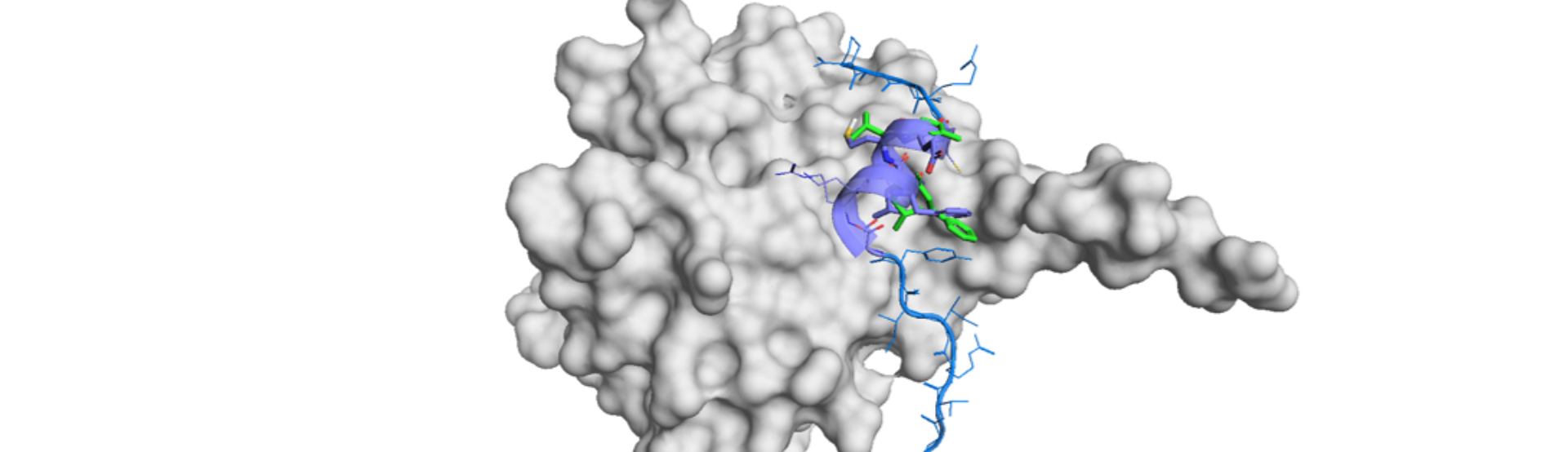


Published on: 5月 16, 2026
Hit to lead is an essential stage for the discovery of drug leads of definite properties with high probability of expanding the chemical and PK/PD nature. As a leopard cannot change its spot, it is a must to hit the stone bridge and cross it toward the following lead optimization stage.
Otherwise, you would hit the great wall of chemical and physicochemical burden to reach the candidate, or you would be forced to terminate the project. However, you also save the time for hit to lead because it impacts the overall drug discovery and development timeline. In silico approaches have been playing a substantial role in guiding and designing the pavement from hit to lead.1)
Advancement of computer-aided drug design is significantly rapid and numerous softwares, services as well as protocols have been developed in the past decades. They are, generally speaking, thread and thrum for a practical use but there are gems in the ocean.
Here is an interesting web-based software, developed by a group in Central China Normal University, for automatic identification of drug leads from hits within the relatively accessible chemical space. The technology is called auto in silico ligand directing evolution (AILDE).2)
The algorism of AILDE is rather simple. You need an input of binding structure of hit compound to target of interest. AILDE performs minor chemical modification on the hit compound structure by the dataset of PADFrag.3)
Basically, AILDE scan the hydrogen atoms of the hit compound replace it by accessible functional group. Then molecular mechanics (MM) minimization and free energy potential (FEP) calculation with or without molecular dynamics (MD) are performed to evaluate the ligand efficiency.
AILDE is suitable at the beginning of hit to lead stage because of the input dataset needs to satisfy three criteria.
- Cocrystal structure of a hit and the target is available.
- Biological activities of the hit and similar hit compounds are available.
- High flexibility in binding state
The last criterion hampers the application of AILDE in lead optimization because lead should have substantially good fit to the target. You can easily imagine that it is necessary by considering the algorism of AILDE. It has more focus on occupying the blank space in binding structure and the method works well when the hit is a weak binder and flexible enough to screen a variety of substituents.
The protocol for AILDE is now available4) and its application was demonstrated by other group for 4-hydroxyphenylpyruvate dioxygenase inhibitors as well.5) There has been reports on hit-to-lead optimization with the aid of computational methods,6) but in most cases, the technologies have more focus on lead optimiztion7) due to the presence of more burden in the latter stage of drug discovery. AILDE is one of the hit-to-lead-oriented softwares and conceptually applicable for any kind of small molecules.
We would say that AILDE represents a primitive and traditional way of medicinal chemistry in hit to lead stage. The virtual screening of hydrogen substitution by evaluation of the binding energy and biological activity enhances the speed of hit-to-lead optimization. It would also be a useful tool for medicinal chemist to obtain some ideas to expand the possibility of hits.
Hit to lead stage is of high importance in drug discovery. It is worth testing novel softwares and services to reduce the timeline of candidate creation. AILDE is just a recent example of ready-to-use software. It is necessary to keep eyes open to novel approaches for the improvement of drug discovery process.